
IPTV vs Cable: What Actually Changes When You Switch
Installation, flexibility, and how you watch — a side-by-side look at how IPTV and traditional cable TV actually differ day to day.
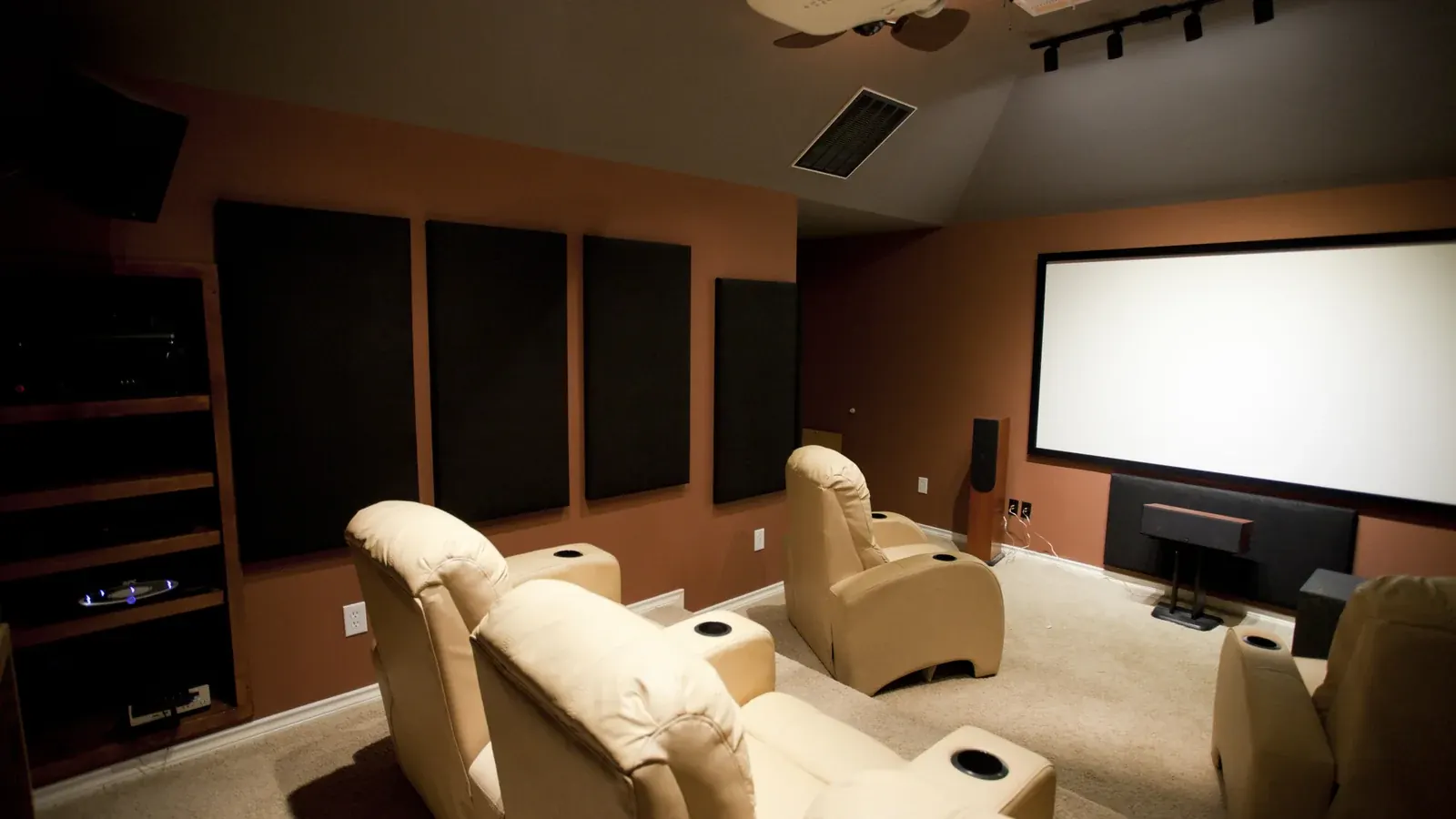
If you're considering cutting the cord, it helps to know exactly what changes and what stays the same. Here's a practical, day-to-day comparison rather than a sales pitch.
The Core Difference: Delivery Method
Cable and satellite use dedicated broadcast infrastructure; IPTV rides on your existing internet connection. For the fuller technical picture, see what is IPTV.
Installation and Equipment
Cable typically requires a technician visit and a dedicated set-top box. IPTV generally just needs an app on a device you may already own — see our compatible devices overview.
Flexibility Across Devices and Locations
Because IPTV runs over the internet, it naturally extends to multiple devices around the home. Our guide on using IPTV across multiple devices explains how this actually works on a subscription.
Contracts and Commitment
Cable often involves multi-year contracts and early termination fees. IPTV plans are typically available in shorter, more flexible terms — see our subscription plan comparison.
Channel Lineup Differences
Both aim to deliver a broad live channel lineup, though the specific channels and packaging differ by provider. Our channels explainer covers what's typical on the IPTV side.
Cost Comparison
IPTV pricing structures tend to be simpler and more transparent than cable's bundled pricing, though actual costs vary by provider and plan length.
What Doesn't Change
The core experience, browsing a guide, picking a channel, watching a show, stays familiar either way. The real differences show up in setup, flexibility, and how the content reaches your screen.